
A rant against women being on the field in soccer matches. Laughter echoing a sexist remark in the locker room followed by an inadequate apology. A man celebrated for doing what a Black woman did almost three decades ago. Players experiencing racist slurs from fellow players. Sex toys thrown on the court during women’s basketball matches.
Actions and systems rooted in discrimination, racism, and misogyny in sports are not new. They’ve existed as long as women, BIPOC, and trans people have had the audacity to believe they also belong on the field, running in the marathons, shown on television, and competing in the Olympics. But these recent incidents in U.S. and international sports illustrate why now, more than ever, we need anti-violence training for athletes, coaches, and staff of all genders.
For teams, the financial cost for not thinking about safety and inclusiveness for all players and attendees is high. Teams lose money if women, people of color, and people in the LGBTQ community don’t show up or stop backing a team. Merchandise is not purchased, season tickets are not bought, families don’t attend games, sponsors don’t renew, the energy wanes.
Furthermore, the reputational cost is equally concerning. Should the U.S. Men’s Olympic Hockey team be trying to defend their actions in the media right now? Or should they be celebrating their win alongside the equally deserving Women’s team? Should soccer teams be scrambling to respond to the intolerant words and actions of their players, or should they be using their PR staff for highlight reels? Should women basketball players feel fear or anger when experiencing sexist actions and remarks, or should they just be focusing on the game with a supportive audience?
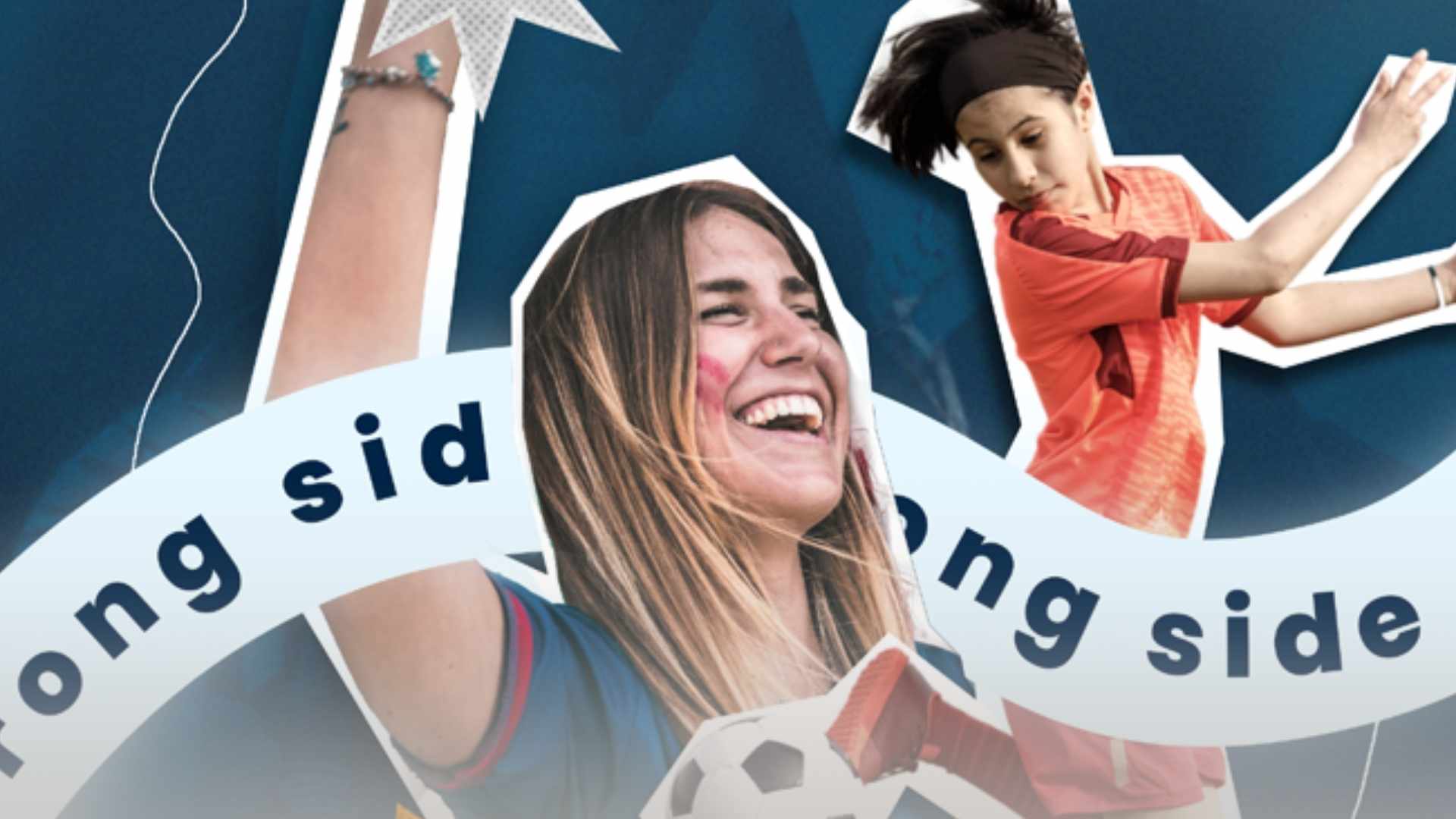
This is why programs like The Strong Side are needed. Individual players need to be trained to know what to do when “locker room” talk happens. They need to be trained in self-regulation so they don’t spout off in anger against women or people of color when disappointed. Coaches need to know how to respond when their players act with prejudice or become victims of hate from the public. Fans, especially women, queer people, and people of color, need to feel the stands are safe and know there are systems in place to protect them if they experience harassment at a game.
Training to be the best at your sport is no longer enough. Education for athletes and support staff in all sports, for all genders, for all ages, and at all levels must include ways to create a safer and more respectful game for everyone.
By Krista Hanley, ESDP (she/her)
Co-Owner We Are Safer Together, LLC